Is Invisalign® Right For You? Expert Guidance From Escott Orthodontics
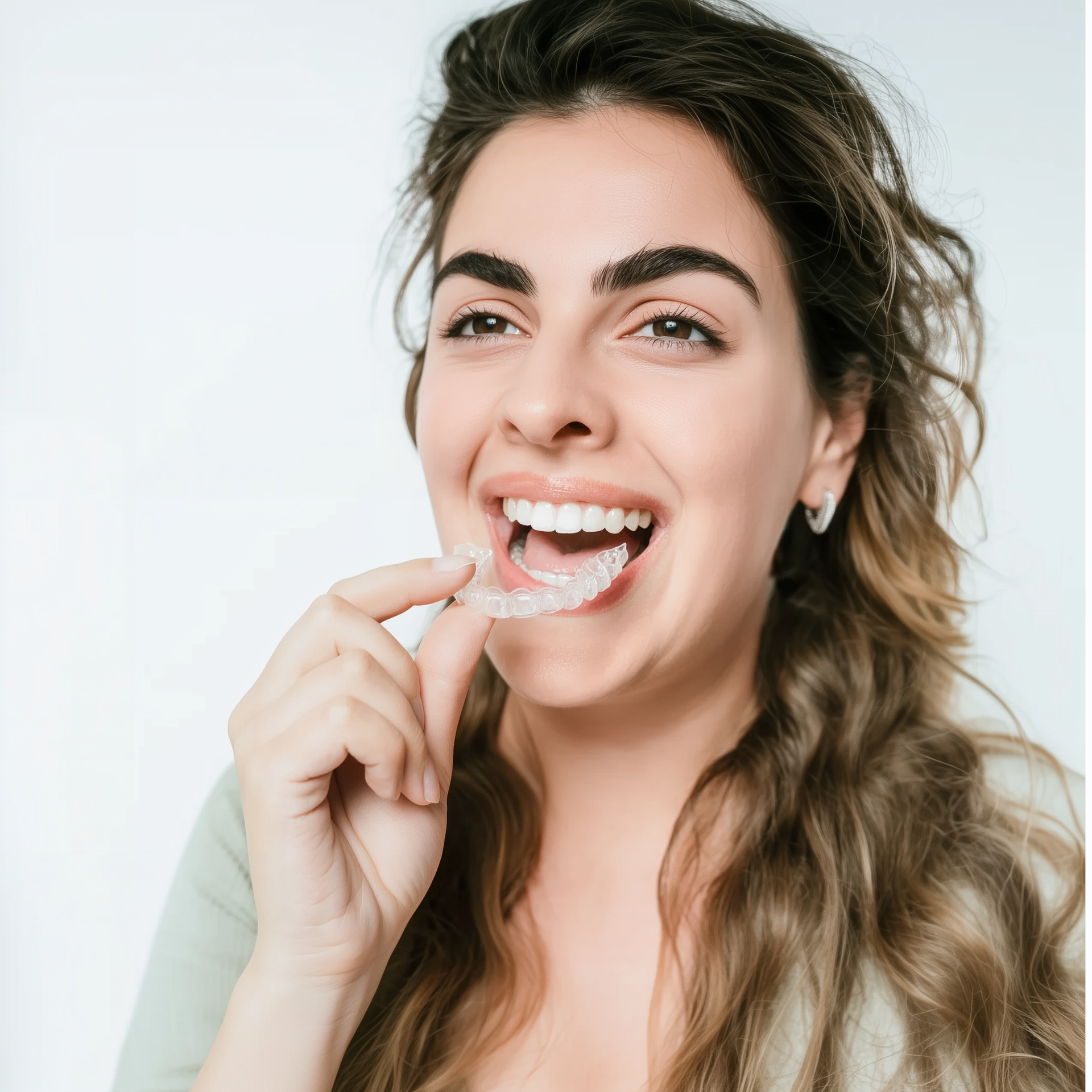
From Your First Scan To Your Final Smile, Here Is How Invisalign® Works Step By Step
Table Of Contents
Introduction
Meet The Doctors
What Invisalign® Is And What It Is Not
How Clear Aligners Move Teeth
Who Is A Good Candidate For Invisalign®
What Invisalign® Can Treat
When Braces May Be The Better Option
Your Invisalign Timeline: Step By Step From Scan To Final Smile
What Invisalign Feels Like In Real Life
Our Top Picks For Invisalign® Success
Pro Tips For Staying On Track
Patient Spotlight
Why Choose Escott Orthodontics
Conclusion
Frequently Asked Questions
Introduction
If you have ever asked yourself, "Are there invisible braces?" you are not alone. Many teens and adults want a straighter smile without brackets and wires, and they want a plan that fits busy schedules, photos, and everyday life. Invisalign® has become one of the most popular options for discreet orthodontic treatment, but the real question is not whether it is popular. The real question is whether it is right for you.
At Escott Orthodontics, we help patients across Lake County, College Park, and Baldwin Park (Orlando), Florida, explore modern orthodontics with clarity and confidence. Our doctors, Dr. Christopher Escott and Dr. Hunter Davis, have built a reputation for results that look great and function well. We are honored to be named “Best of the Best - Orthodontist” by Lake Sumter Style Magazine 5 years in a row, and our team is known for delivering Sunshine in Every Smile through supportive care and a patient-first experience.
In this guide, we are walking you through the Invisalign process step by step, from your first scan to your final smile, so you can decide whether clear aligners are the best fit for your goals.
Meet the Doctors
Escott Orthodontics is led by Dr. Christopher Escott and Dr. Hunter Davis. We treat kids, teens, and adults with braces and Invisalign, and we build every plan around long-term stability, comfort, and confidence.
We serve families throughout:
- Lake County
- College Park
- Baldwin Park (Orlando)
If you are looking for Escott Ortho in Baldwin Park, want Invisalign in Orlando, or are searching for clear aligners near you in Lake County, we would love to help you understand your options and choose the path that makes the most sense for your smile.
What Invisalign® Is and What It Is Not
Invisalign is a system of clear aligners that move teeth gradually using a series of custom trays. Each set is designed to make small, controlled changes over time. You wear the aligners in sequence, and your teeth shift according to a plan we create and monitor.
Invisalign is:
- A doctor-guided orthodontic treatment
- A clear tray system designed for predictable tooth movement
- A discreet orthodontic treatment option for many teens and adults
- A great fit for many smile makeover goals
Invisalign is not:
- A one-size-fits-all solution for every bite problem
- A shortcut that works without consistency
- The same as mail-order clear trays without professional monitoring
If you are comparing aligners, the most important difference is not the plastic. The most important difference is the planning, monitoring, and finishing that comes from an orthodontic specialist.
How Clear Aligners Move Teeth
Teeth move through biology, not force alone. When aligners apply gentle pressure, the bone around the tooth remodels gradually, allowing the tooth to shift into a healthier position.
Here is what makes Invisalign work:
- The aligners apply controlled pressure to specific teeth
- Small movements happen with each aligner set
- Over time, those small steps build the final result
- Monitoring ensures teeth track the way the plan intended
Why Small Steps Matter
Clear aligners work best when movements are precise and gradual. This approach supports:
- Healthier tooth movement
- Better gum support
- Improved bite stability
- A more comfortable experience
If your goal is not just straighter teeth but also a healthier bite, those details matter.
Who Is A Good Candidate For Invisalign®
Many patients are great candidates for Invisalign. The best way to know is to get evaluated, but there are some common patterns we see.
You may be a good Invisalign candidate if:
- You want a discreet orthodontic treatment option
- You have mild to moderate crowding or spacing
- You want a smile makeover without braces
- You can wear aligners consistently
- You want easier brushing and flossing during treatment
- You want fewer food restrictions than traditional braces
Invisalign® Works Best When You Can Commit To Wear Time
Most Invisalign plans require consistent wear. If aligners are out for long stretches, tooth movement becomes less predictable.
If you are considering Invisalign, ask yourself:
- Can I wear aligners most of the day and night?
- Can I remove them only for meals and drinks other than water?
- Can I follow a routine without frequent missed wear time?
If the answer is yes, Invisalign is a strong option.
What Invisalign Can Treat
Invisalign can treat a wide range of concerns, and modern orthodontics has expanded what clear aligners can accomplish. Many people assume aligners are only for simple cases. That is not true.
Invisalign may be used to treat:
- Crowding
- Spacing
- Mild to moderate overbite concerns
- Mild to moderate underbite patterns in select cases
- Crossbites in select cases
- Open bites in select cases
- Midline shifts
- Relapse after previous braces
Common “Smile Makeover” Goals Invisalign Supports
- Straightening front teeth for photos and confidence
- Closing small gaps
- Improving symmetry and tooth display
- Refining bite contact for better function
If your goal is a discreet orthodontic treatment plan that still delivers a significant smile transformation, Invisalign may be a great fit.
When Braces May Be the Better Option
We love Invisalign, and we also love being honest. Some cases are better treated with braces because braces give us full-time control and allow certain movements to happen more efficiently.
Braces may be the better option if:
- Your bite correction needs are complex
- Rotations require maximum control
- Significant vertical changes are needed
- You need dependable correction without relying on wear time
- Your case requires specific mechanics that are more predictable with braces
A Helpful Perspective
This is not Invisalign versus braces. This is about choosing the tool that produces the best results for your smile and long-term comfort.
When we recommend braces, it is because we believe they give you the most predictable path to a stable finish.
Your Invisalign Timeline: Step By Step From Scan To Final Smile
If you want to know how Invisalign works in real life, this is the part you will love. Here is the Invisalign process from your first visit to your final aligners.
Step 1: Your Consultation and Smile Goals
We start by listening. We want to know what you want to change and what you have noticed about your teeth and bite.
During your consultation, we evaluate:
- Teeth alignment and spacing
- Bite relationship and contact points
- Jaw alignment and functional movement
- Whether Invisalign or braces fit your goals best
You do not need perfect terminology. Just tell us what you see and what you want.
Step 2: Your Records and First Scan
Next, we gather the records we need to plan your Invisalign case properly. This may include digital scans, photos, and X-rays.
This step helps us understand:
- Where the teeth are now
- How the roots are positioned
- How the bite fits together
- What needs to change for stability
Clear aligners work best when the plan is built on accurate records.
Step 3: Your Custom Invisalign Plan
Once we have your records, we design your aligner plan. This includes staging tooth movement in a sequence that supports stability and efficiency.
We focus on:
- A healthy bite, not just straight front teeth
- Predictable movement that protects long-term support
- A finish that looks great and functions well
Step 4: Aligners, Attachments, and Your First Wear Instructions
When your aligners arrive, we teach you how to wear them, switch trays, and keep them clean.
Many Invisalign plans include:
- Wearing aligners most of the day and night
- Switching aligners on a schedule we provide
- Check-in visits to ensure your teeth are tracking well
You may also need small tooth-colored attachments. Attachments help the clear trays grip and guide movement more effectively.
Step 5: Progress Visits and Tracking
Invisalign is not “set it and forget it.” We monitor progress to keep things on track.
At progress visits, we evaluate:
- Aligner fit and tracking
- Bite changes and contact points
- Attachment condition
- Whether we should adjust the plan or timing
This is one of the biggest advantages of choosing orthodontist-guided aligners rather than unsupervised clear trays.
Step 6: Refinements and Finishing
Many patients need refinements near the end. Refinements are extra aligners that fine-tune details such as rotations, bite contact, and symmetry.
Refinements are common because real teeth do not always move exactly like the software predicts. Our job is to finish strong.
Step 7: Retainers and Protecting Your Results
Your final smile needs protection. Teeth naturally want to shift, especially in the first year after treatment.
Retainers help maintain results by holding teeth in their new positions. We will provide a clear retention plan to keep your smile stable long-term.
Your Invisalign result is not only about aligners. It is about consistent wear, smart planning, and a retainer plan that protects the finish.
What Invisalign Feels Like In Real Life
Most patients adjust quickly, but it helps to know what to expect.
The First Few Days
You may notice:
- Mild pressure when you start a new aligner
- Slight tightness for a day or two
- A short adjustment period with certain sounds while speaking
These changes usually improve quickly as your mouth adapts.
Eating and Drinking
Because aligners are removable:
- You can eat your normal foods
- You remove aligners for meals
- You brush before putting them back in
Water is the best drink to have while wearing aligners. If you drink anything else, remove your aligners first to help protect your enamel and keep your trays cleaner.
Hygiene with Aligners
Clear aligners make brushing and flossing easier than braces for many patients. You still need consistency.
Helpful habits include:
- Brushing after meals when possible
- Rinsing trays with cool water
- Keeping trays in their case when not worn
Our Top Picks For Invisalign Success
If you want the smoothest experience and the best smile makeover results, these habits and tools are most helpful.
Top Picks
- A Dedicated Aligner Case
Keeping aligners protected reduces loss and damage. - A Wear-Time Routine You Can Repeat
Putting trays back in right after meals keeps wear time consistent. - Chewies or Seating Tools
Helping aligners fit snugly supports better tracking. - A Travel Brush Kit
Keeping a toothbrush and toothpaste handy makes habits easier. - A Simple Nightly Cleaning Routine
Consistent cleaning helps keep trays fresher and clearer.
Social Challenge: The “Clear Tray Consistency” Week
For 7 days:
- Track your wear time each day
- Aim for your recommended daily hours
- Notice how much easier it feels by day 7
Most patients are surprised by how quickly Invisalign becomes part of normal life.
Pro Tips For Staying On Track
These tips help aligners work as they were designed.
Pro Tips
- Switch Aligners Before Bed
Starting a new tray at night helps you sleep through the first tight hours. - Avoid Hot Water On Clear Aligners
Heat can warp clear trays and affect fit. - Only Drink Water with Aligners In
This helps reduce staining risk and protects enamel - Keep Trays In Their Case
Wrapping aligners in a napkin is the fastest way to lose them. - Tell Us About Fit Issues Early
Small adjustments can prevent bigger delays.
If you are balancing Invisalign with sports, school, or a busy job, we can help you build a routine that fits your life.
Patient Spotlight
One of our adult patients came in seeking a discreet orthodontic treatment option because they were often photographed and wanted a smile makeover without braces. They had mild crowding and a slightly uneven bite.
We created an Invisalign plan focused on alignment and bite stability. They committed to wearing time, followed their progress visits, and used a simple routine for cleaning and tray changes. Over time, their smile became smoother, their bite felt more stable, and they stopped thinking about angles in pictures. The best part was confidence. They did not feel like they were “hiding” braces. They simply felt like themselves, with a smile they loved.
Why Choose Escott Orthodontics
When you choose Invisalign, you are choosing more than clear trays. You are choosing the team that plans, monitors, and finishes your result.
At Escott Orthodontics, you can expect:
- Care from Dr. Christopher Escott and Dr. Hunter Davis
- Braces and Invisalign options for teens and adults
- A focus on bite function and long-term stability
- Modern orthodontics with clear, supportive guidance
- “Best of the Best - Orthodontist” recognition for 5 years in a row
- A 5-Star rating with 665+ reviews
- Convenient locations in Lake County, College Park, and Baldwin Park (Orlando)
If you are looking for orthodontics in Baldwin Park, our doctors and team at Escott Orthodontics would love to help you find the right path for your smile.
Conclusion
Invisalign can be a great option if you want a discreet orthodontic treatment plan that fits your lifestyle and still delivers real results. When clear aligners are planned and monitored by an orthodontic specialist, they can create meaningful alignment changes, support better bite stability, and help you feel more confident every time you smile.
At Escott Orthodontics, we will help you decide whether Invisalign is right for you by evaluating your teeth alignment, bite function, and smile goals. If Invisalign is a fit, we will guide you from your first scan to your final smile with a plan that feels clear and doable.
To schedule your consultation, call the location most convenient for you or visit escottortho.com:
- Lake County: 352-383-6166
- College Park: 407-648-5511
- Baldwin Park: 407-898-6711
Frequently Asked Questions
Are there invisible braces?
Yes. Clear aligners like Invisalign are a discreet orthodontic treatment option that use clear trays to gradually move teeth, and many patients choose them as an alternative to braces.
How do I know if Invisalign is right for me?
We evaluate your alignment, bite, and jaw relationships, then compare Invisalign and braces based on predictability and long-term stability for your specific case.
How long does Invisalign take?
Treatment time depends on your goals and the complexity of your case. Many Invisalign plans range from several months to around two years, and we will outline your timeline during your consultation.
Do clear aligners hurt?
Most patients feel mild pressure for a day or two when switching to a new aligner. That pressure is normal and usually improves quickly.
What are attachments, and do I need them?
Attachments are small tooth-colored shapes that help clear aligners grip and guide movement. Many Invisalign patients need them, and we will explain why if they are part of your plan.
What happens after Invisalign is finished?
You will wear retainers to help keep teeth in their new positions. Retainers are essential for protecting your smile makeover and maintaining long-term stability.
Ready For Your Smile to Shine?